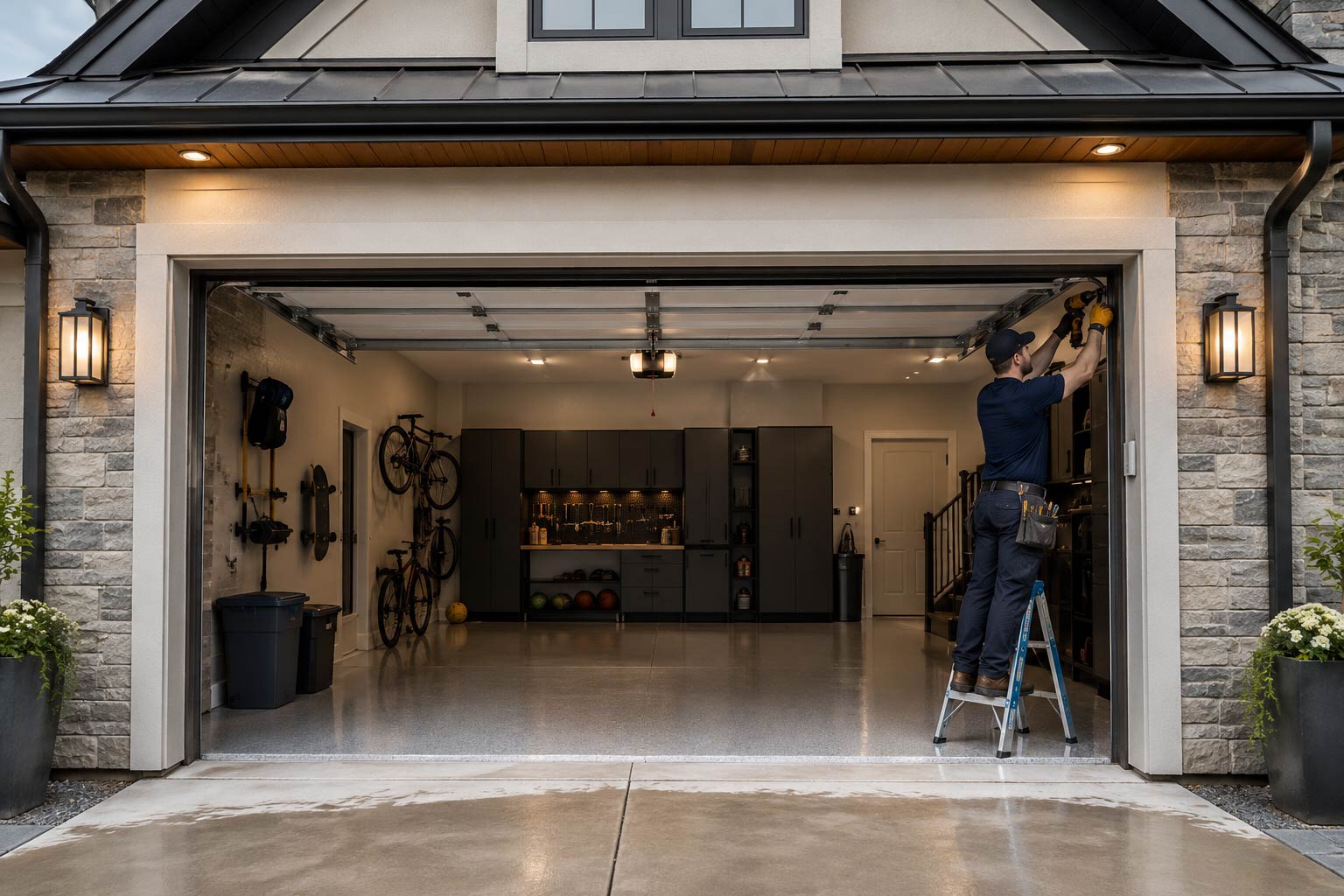
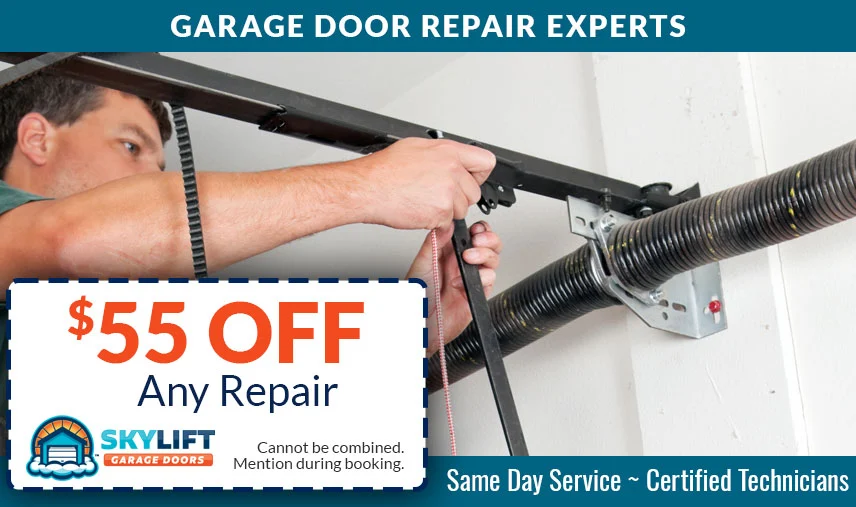
A broken garage door can throw off your entire day. Whether it’s stuck, noisy, or won’t open at all, Skylift Garage Doors provides professional garage door repair in Little River—restoring full function without stress.
Here’s what you can expect when you schedule garage door repair in Little River with Skylift:
Inspection
We identify the problem and check related components for wear or damage.
Transparent Quote
We explain the issue and provide a clear, upfront estimate—no hidden fees.
Professional Repair
Using the right parts and tools, we complete the repair and ensure everything is secure.
System Testing
We test the door through multiple open/close cycles and check all safety functions.
Clean Work Area
We leave your garage as clean as we found it, with a fully working door.
How Long Do Garage Door Repairs Take?
Most common repairs take less than 2 hours, depending on the issue. We carry many parts on hand to complete service the same day whenever possible.
Performance Testing and Safety Checks After Every Repair
Once repairs are completed, we thoroughly test the door’s movement, sensor functionality, and safety mechanisms. We confirm that your opener responds correctly, the auto-reverse works, and all parts are secure and properly adjusted—so your garage door is ready to perform reliably day after day.
Call Now for Trusted Garage Door Repair in Little River
Don’t let garage door issues put your home or schedule at risk. Contact Skylift Garage Doors for prompt, professional garage door repair in Little River. Call now to book your service and get your garage door system back on track.
FAQ
What are common signs that my garage door needs repair?
Unusual noises, slow or uneven movement, failure to open or close fully, and visible damage to hinges or panels are all signs that a repair may be needed.
What’s the difference between residential and commercial garage door repairs?
Residential repairs typically involve lighter doors and quieter operation, while commercial repairs may require work on larger, heavier doors and more industrial-grade hardware.
Can both automatic and manual garage doors be repaired?
Yes, repairs can be performed on both types. The process and components involved may vary, but proper adjustment and troubleshooting can restore functionality.
How do I know if the hinges on my garage door are worn or broken?
Creaking sounds, loose panels, or difficulty opening and closing the door may indicate that the hinges are damaged or misaligned and need to be replaced or tightened.
Why is lubrication important in garage door maintenance?
Lubrication reduces friction between moving parts, prevents rust, and helps the door operate more quietly and efficiently.
Is professional installation important for garage door repairs?
Yes, professional installation ensures that all components are aligned and functioning correctly, helping to prevent future issues and maintain safety.
What types of adjustments are usually needed after a repair?
Common adjustments include realigning the tracks, rebalancing the door, tightening hardware, and calibrating the opener system for automatic models.
Can I troubleshoot garage door problems myself?
Basic issues like checking power sources, replacing remote batteries, or applying lubrication can be handled at home. More complex mechanical problems should be addressed by a technician.
What causes a garage door to operate unevenly or get stuck?
Uneven operation can result from misaligned tracks, broken springs, damaged hinges, or worn rollers. Proper troubleshooting is necessary to identify and fix the issue.
How often should I inspect or service my garage door system?
An inspection every six to twelve months is recommended to catch early signs of wear, ensure proper lubrication, and keep all components in safe working order.